Latest stories
Auditor-General tables 2024-25 PFMA General Report
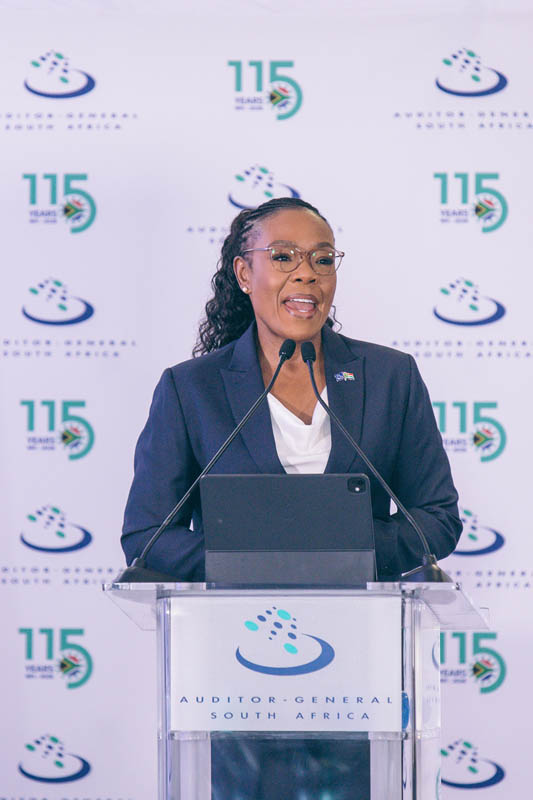
The publishing of the report on national and provincial audit outcomes coincides with the 115-year anniversary of the AGSA. This milestone marks more than a century of auditing to build public confidence. This also provides an important opportunity to reflect on how accountability translates into real service delivery outcomes and on the work required to sustain public trust over time.
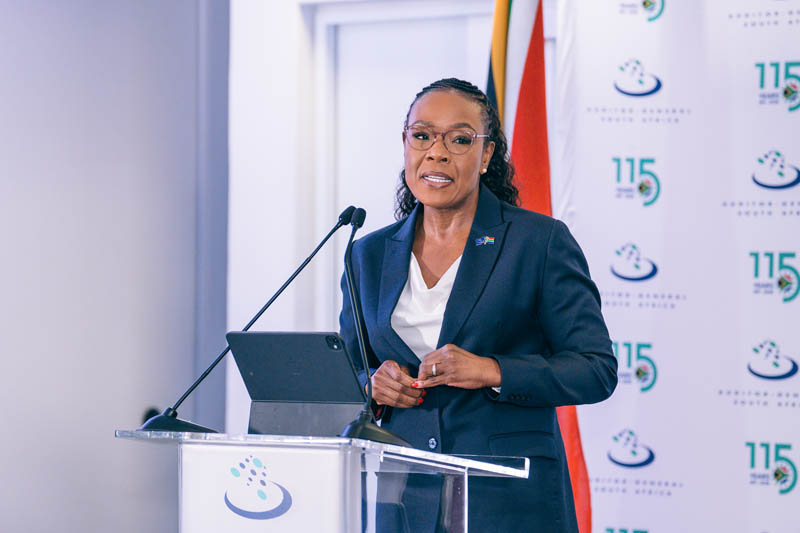
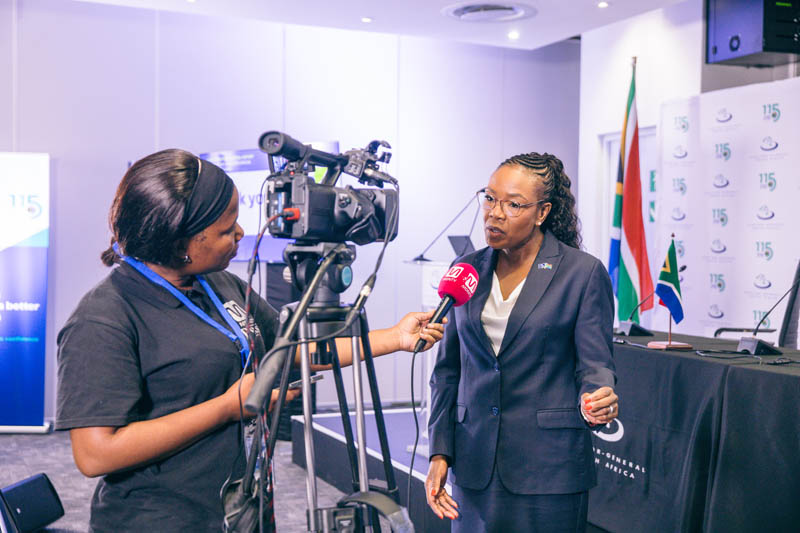
Auditor-General (AG) Tsakani Maluleke has called on the government to double its efforts to improve its audit outcomes as the rate to address institutional capability, governance and accountability weaknesses is too slow.
Against this backdrop, the report highlights limited improvement as well as regressions across several areas, particularly among auditees managing large budgets and critical service delivery functions. Despite their scale and importance, many of these institutions continue to demonstrate weak controls, unstable planning practices and poor financial discipline. This state of affairs is especially concerning because it affects parts of government where failure has the greatest and most immediate impact on citizens.
High-impact auditees remain a central concern. These institutions are responsible for approximately R2 trillion (91%) of national and provincial expenditure. The report shows that they continue to struggle with infrastructure management, contract oversight and the consistent execution of plans. As a result, weakened audit outcomes are increasingly associated with growing risks to service delivery, as poor governance and ineffective controls prevent resources from being converted into tangible results on the ground.
Within this context, clean audits remain scarce and meaningful progress is limited across the public sector. The report highlights that 266 auditees, responsible for 88% of the national and provincial budget, lacked the institutional capability to produce credible financial and performance reports or the integrity required to ensure full compliance with legislation.
Our mandate remains focused on safeguarding public trust. Through the Public Audit Act, the audit process extends beyond reporting to drive corrective action, particularly through the material irregularity process. This intervention plays a critical role in addressing financial loss, the misuse of public resources and harm to citizens.
Ultimately, the report reinforces that effective government depends on strong everyday disciplines. Accurate data, complete records, consistent application of controls and clear accountability are foundational to protecting public resources and enabling service delivery. When systems fail and responsibilities are diluted, the consequences extend far beyond audit outcomes.